


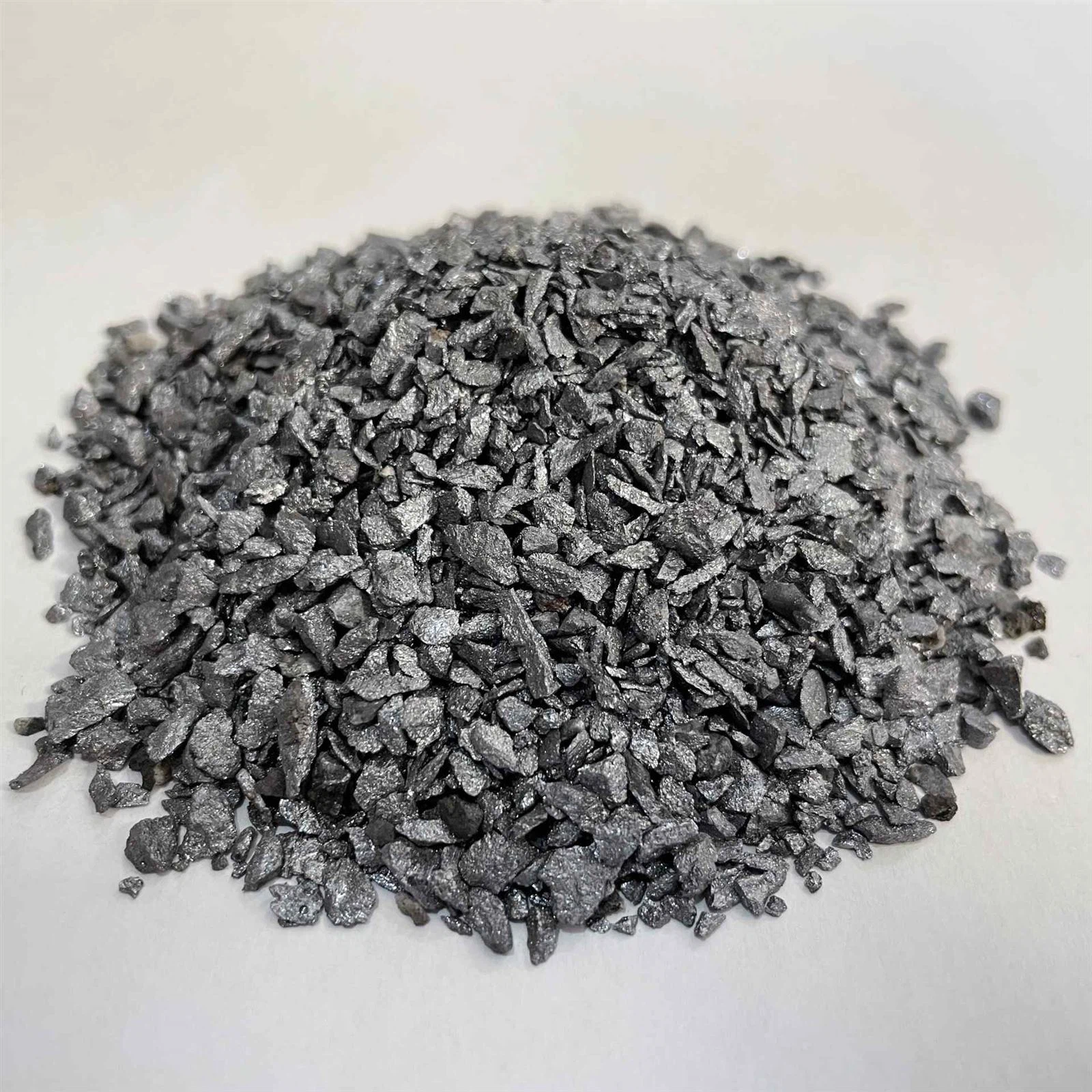
Ferrosilicon mainly consists of iron and silicon, with a silicon content typically ranging from 15% to 90%. Ferrosilicon itself is non-toxic, but during production, processing, use, or storage, harmful risks may arise due to changes in physical form or chemical reactions. The hazards must be assessed based on the specific circumstances.
Ferrosilicon itself is not directly toxic
Ferrosilicon alloys are relatively stable chemically and do not react toxicly with human tissue at room temperature. They are also not toxic through skin contact or short-term inhalation.
Iron is an essential trace element for the human body, and silicon is widely present in nature and can be metabolized by the human body in small amounts. The alloy formed by the two contains no additional toxic components.
Ferrosilicon is primarily used in steelmaking and foundry industries. Lump ferrosilicon does not release toxic substances during normal operation.

Risks to be aware of
The hazards of ferrosilicon do not originate from the material itself, but from derivatives produced during its processing or use.
Ferrosilicon Dust
The crushing, grinding, transportation, and screening processes of ferrosilicon generate large amounts of ferrosilicon dust. Long-term inhalation of this dust can lead to serious occupational diseases, such as silicosis. Free silica particles in the dust can deposit in the lungs, stimulating lung fibrosis and gradually impairing respiratory function.
Harmful Gases/Substances at High Temperatures
Ferrosilicon in high-temperature environments (such as steelmaking furnaces and electric arc furnaces) may react with other substances to produce toxic gases or compounds:
- Carbon monoxide (CO): If the smelting environment is oxygen-deficient, silicon and carbon may react to produce CO. Inhaling large amounts of CO over a short period of time can cause poisoning and coma.
- Sulfur dioxide (SO₂): If ferrosilicon contains sulfur impurities, SO₂ may be produced at high temperatures. Inhalation of SO₂ can irritate the respiratory tract and cause coughing and asthma.
- Silane (SiH₄): Under extreme conditions (such as when ferrosilicon reacts with strong acids), silane may be produced. Silane is easily self-ignited in contact with air, and its combustion products are also harmful to the lungs.
Safety Measures
Dust Control:
- A ventilation and dust removal system is installed in the production workshop to reduce airborne dust concentration.
- Operators are required to wear dust masks, dust-proof glasses, and protective clothing to prevent dust inhalation and skin contact.
High-temperature Work Protection:
- During the smelting process, adequate ventilation is ensured within the furnace to prevent the accumulation of toxic gases such as CO.
- Gas detection equipment is installed to monitor gas concentrations in the workshop in real time.
- Operators are required to wear high-temperature protective clothing to prevent burns.
Proper dust control and personal protection during industrial operations can effectively avoid hazards.
If you are interested in purchasing ferrosilicon, please contact us! louisxu@ns-ferroalloy.com


