


Ferro Silicon
Your Professional Ferro Silicon Manufacturer
We are a professional manufacturer in Ferroalloy and Metal industries, we have many complete production lines! The factory covers an area of 95,000 square meters, Our common products are Silicon Metal, Ferro Silicon, Silicon Calcium alloy, Ferro Manganese, Silicon Manganese, Cored Wire, etc.
Why Choose Us
Our factory
We have our own processing factory and cooperate with many professional manufacturers to ensure the smooth production of products and product quality assurance.
Team Advantage
We have a professional management team to provide customers with product services and support in all aspects from production, sales, logistics, etc.
Production Scale
TF Industrial Co.,Ltd further expanded its factory scale and now has a complete modern production line consisting of 6 submerged arc furnaces and 10 intermediate frequency furnaces.
Sale Market
We have established long-term and stable cooperative relationships with customers in many countries and regions around the world, and our products are exported to Europe, North America, India, Japan and other places.


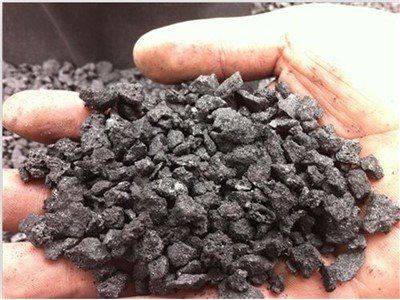
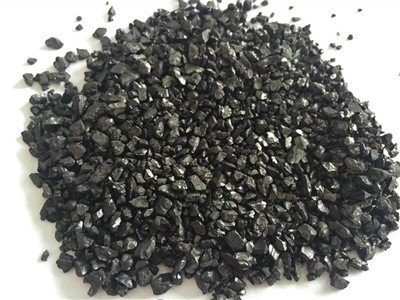
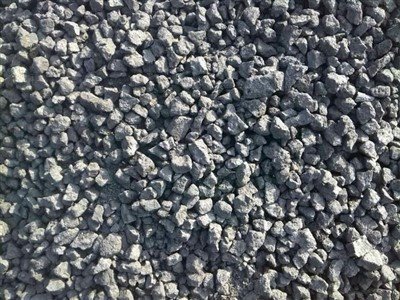


Features of Ferro Silicon
Appearance
The appearance of ferrosilicon is metallic bread color, without powder or slag.
Chemical composition
In addition to Si and Fe, ferrosilicon also contains Mn, Cr, P, S, C, and other elements.
Melting point
The melting point of 72#-80# ferrosilicon is 1290℃-1360℃. 75# ferro silicon melting point 1300℃.
Density
The density of ferrosilicon depends on the silicon content in ferrosilicon, and its density decreases as the silicon content in ferrosilicon alloy increases. The density of 75# ferrosilicon is 3270kg/m.
Types of Ferro Silicon
Ferrosilicon is often categorized according to the levels of various minor components, depending on the application requirements. These categories include:
Low-carbon ferrosilicon and ultra-low-carbon ferrosilicon
Used to avoid re-introducing carbon during the manufacture of stainless steel and electrical steel.
Low-titanium (high-purity) ferrosilicon
Used to avoid TiN and TiC inclusions in electrical steel and some special steels.
Low-aluminium ferrosilicon
Used to avoid the formation of hard Al2O3 and Al2O3–CaO inclusions in a range of steel types.
Special ferrosilicon
A general term that covers a range of tailor-made products containing other alloying elements.
Production and Reactions of Ferro Silicon
Ferrosilicon is produced by reduction of silica or sand with coke in the presence of iron. Typical sources of iron are scrap iron or millscale. Ferrosilicons with silicon content up to about 15% are made in blast furnaces lined with acid fire bricks.
Ferrosilicons with higher silicon content are made in electric arc furnaces.The usual formulations on the market are ferrosilicons with 15%, 45%, 75%, and 90% silicon. The remainder is iron, with about 2% consisting of other elements like aluminium and calcium. An overabundance of silica is used to prevent formation of silicon carbide. Microsilica is a useful byproduct.
A mineral perryite is similar to ferrosilicon, with its composition Fe5Si2. In contact with water, ferrosilicon may slowly produce hydrogen. The reaction, which is accelerated in the presence of base, is used for hydrogen production. The melting point and density of ferrosilicon depends on its silicon content, with two nearly-eutectic areas, one near Fe2Si and second spanning FeSi2-FeSi3 composition range.
Raw Material Requirements For Ferrosilicon.
To ensure the production of high purity ferro silicon, quartz stone, as an important raw material for the production of ferrosilicon, is required to have internal SiO₂ ≥ 97%.SiO₂ is a kind of chemically stable oxide, which needs a higher temperature for reduction, if the SiO₂ content in quartz stone is low, then it will increase the electricity consumption and the amount of reducing agent, which will make the recovery rate decrease and increase the cost of ferrosilicon productio. In addition to SiO₂, quartz stone also contains Al₂O3, CaO, and other compounds, which will seriously affect the purity and quality of ferrosilicon, so the quartz stone used for the production of ferrosilicon requirements must have high purity.
Coke is an important reducing agent in ferrosilicon production and is used to reduce silicon in quartzite. Metallurgical coke, petroleum coke, bituminous coke, bituminous coal and charcoal are important carbonaceous reducing agents in the production of ferrosilicon, and the particle size and chemical properties of coke have a large impact on the quality of ferrosilicon. Metallurgical coke is currently the raw material used in large quantities for the production of ferrosilicon. Before being involved in the production of ferrosilicon, coke needs to be calcined at high temperatures in order to minimise internal impurities and ash content. Coke can usually be divided into high-temperature coke and low-temperature coke, low-temperature coke is widely used in the production process of ferro silicon 65 due to its good chemical activity and high electrical resistance.
Steel chips are the main source of Fe in ferrosilicon. For the production of ferrosilicon, only ordinary carbon steel chips are required to be used, alloy steel chips are prohibited to be used due to the high content of elements within them, which will affect the chemical properties of ferrosilicon, and pig iron chips are prohibited to be used for the production of ferrosilicon because they will make the phosphorus content of ferrosilicon increase. In addition, rusty steel chips are prohibited to be used in the production of ferrosilicon due to its high impurity, which makes it impossible to accurately control the Fe content when smelting ferrosilicon. The length of the steel chips should not be too long in order to prevent the uneven mixing of materials and the resulting blockage of the downcomer pipe, and the length of the steel chips should be controlled within 100mm in general.
Specification of Ferro Silicon
We supply various types of ferro silicon alloy: ferro silicon 45/50/65/70/72/75, high carbon ferro silicon, medium carbon ferrosilicon, low aluminum ferrosilicon, ferro silicon slag, etc. Content of certain elements can be customized, Inquiry Now.
|
Type |
Content of Elements |
|||||||
|
% Si (min) |
% Al (max) |
% Ca (max) |
% Mn (max) |
% Cr (max) |
% P (max) |
% S (max) |
% C (max) |
|
|
FeSi75Al0.5-A |
74.0-80.0 |
0.5 |
1.0 |
0.4 |
0.3 |
0.035 |
0.02 |
0.1 |
|
FeSi75Al0.5-B |
72.0-80.0 |
0.5 |
1.0 |
0.5 |
0.5 |
0.04 |
0.02 |
0.2 |
|
FeSi75Al1.0-A |
74.0-80.0 |
1.0 |
1.0 |
0.4 |
0.3 |
0.035 |
0.02 |
0.1 |
|
FeSi75Al1.0-B |
72.0-80.0 |
1.0 |
1.0 |
0.5 |
0.5 |
0.04 |
0.02 |
0.2 |
|
FeSi75Al1.5-A |
74.0-80.0 |
1.5 |
1.0 |
0.4 |
0.3 |
0.035 |
0.02 |
0.1 |
|
FeSi75Al1.5-B |
72.0-80.0 |
1.5 |
1.0 |
0.5 |
0.5 |
0.04 |
0.02 |
0.2 |
|
FeSi75Al2.0-A |
74.0-80.0 |
2.0 |
1.0 |
0.4 |
0.3 |
0.035 |
0.02 |
0.1 |
|
FeSi75Al2.0-B |
74.0-80.0 |
2.0 |
1.0 |
0.4 |
0.3 |
0.04 |
0.02 |
0.1 |
|
FeSi75Al2.0-C |
72.0-80.0 |
2.0 |
0.5 |
0.5 |
0.04 |
0.02 |
0.2 |
|
|
FeSi75-A |
74.0-80.0 |
0.4 |
0.3 |
0.035 |
0.02 |
0.1 |
||
|
FeSi75-B |
74.0-80.0 |
0.4 |
0.3 |
0.04 |
0.02 |
0.1 |
||
|
FeSi75-C |
72.0-80.0 |
0.5 |
0.5 |
0.04 |
0.02 |
0.2 |
||
|
FeSi65 |
65.0-72.0 |
0.6 |
0.5 |
0.04 |
0.02 |
|||
|
FeSi45 |
40.0-47.0 |
0.7 |
0.5 |
0.04 |
0.02 |
|||
Application of Ferro Silicon
Ferrosilicon alloys are used in the following areas:

1. Used as a reducing agent in the production of ferroalloys
Not only is the chemical affinity between silicon and oxygen high, but the high silicon ferrosilicon has a very low carbon content. Therefore, ferrosilicon is a commonly used reducing agent in the production of low carbon iron alloys in the iron alloy industry.
2. Used as a deoxidizer and alloying agent in the steelmaking industry
The ferrosilicon powder can emit a large amount of heat when it is burned at a high temperature. Therefore, it is often used as a heat generating agent for steel ingot caps to improve the quality and recovery rate of steel ingots.
3. Ferrosilicon is used in the high-temperature smelting process of magnesium metal
Magnesium in CaO.MgO was replaced. Each ton of metal magnesium produced consumes about 1.2 tons of ferrosilicon. It plays a big role in the production of magnesium metal.
4. Can be used as a coating for welding rods in the electrode manufacturing industry
5. Ferrosilicon can be used in the chemical industry to manufacture products such as silicone
6. Used as an inoculant and spheroidizing agent in the cast iron industry
Cast iron is an important metal material in modern industry. It is cheaper than steel and is easy to melt and smelt. It has excellent casting properties and much better seismic resistance than steel.

Based on our statistics regarding customers using ferro silicon, most of them come from steel mills, followed by foundries. Steel mills require an oxygen charge in the furnace during the initial stages of steelmaking. This allows the furnace to heat up rapidly, reaching the high temperatures necessary for melting raw materials. However, excessive oxygen later on can result in higher oxide content in the molten steel, compromising the quality of the final product. Therefore, workers must deoxidize the steel melt.
Traditional deoxidizers are often quite expensive and offer limited effectiveness. To address this issue, ferroalloy manufacturers have developed ferro silicon as a more targeted deoxidizing material for steelmaking. Ferro silicon not only serves as a substitute for traditional deoxidizers but also effectively reduces harmful elements and helps float inclusions to the surface of the molten steel.
Importantly, ferro silicon is about 13% cheaper than traditional deoxidizers, making it widely adopted by steel mills. We once followed up with a customer from a steel mill who reported that after using our supplied ferro silicon 75, they saved on steelmaking costs. This positive experience led the customer to sign a long-term supply agreement with us.
Company Certificates
We have complete and independent trade export rights


FAQ