


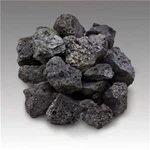


Ferrophosphorus Ingot
introduction

Ferrophosphorus Ingot is a ferroalloy composed mainly of iron and phosphorus, typically supplied in solid lump form. It is widely used as an alloying additive and deoxidizer in steelmaking and casting to improve strength, wear resistance, corrosion resistance, and casting fluidity.
Key Features
Stable Composition
Precisely controlled phosphorus content with minimal batch-to-batch variation ensures consistent metallurgical performance.
Low Impurity Levels
Strict control of harmful elements such as sulfur and copper helps maintain steel purity and downstream quality.
Uniform Size Distribution
Consistent ingot size improves handling, storage efficiency, and enables accurate dosing during furnace charging.
Optimized Physical Form
Dense lump structure allows deep penetration into molten steel, minimizing oxidation loss and improving alloying efficiency.
Applications
Steelmaking Additive
Used as a phosphorus alloying agent for producing high-strength low-alloy steels and controlled-phosphorus steel grades.
Casting Industry
Improves molten iron fluidity, helping reduce casting defects and enhance surface finish in gray and ductile iron.
Free-Cutting Steel Production
Works synergistically with sulfur to improve chip breakability, increasing machining efficiency and tool life.
Corrosion-Resistant Steel
Controlled phosphorus addition (often with copper) enhances atmospheric corrosion resistance in specific steel grades.
Welding Materials Manufacturing
Used as a raw material in electrode coating formulations.
Emerging Applications
Applicable in niche sectors such as precursor materials for lithium iron phosphate (LiFePO₄) production.
Why Choose Us?
Production Capability
- Equipped with modern submerged arc furnace (SAF) systems, medium-frequency induction furnaces, and automated alloy smelting lines
- Integrated raw material pre-treatment system, including crushing, screening, and precise batching to ensure stable furnace input
- Advanced temperature control and real-time monitoring system during smelting process to improve consistency and energy efficiency
- Strong output capacity designed to support long-term bulk wholesale and contract supply
Quality Assurance
- Strict incoming raw material inspection system
- In-house chemical laboratory testing center, equipped with spectrometer (OES), carbon-sulfur analyzer, and moisture detection equipment
- Each batch undergoes pre-shipment composition verification and sampling inspection
- Compliance with international industrial standards such as ISO quality management system (ISO 9001)
- Support for third-party inspection services (SGS, BV, CIQ or customer-designated inspection agencies)
- Batch traceability system ensuring full production record tracking from furnace to shipment
OEM & Custom Supply
- Custom production based on customer-required chemical composition and specification standards
- Flexible packaging solutions: 1MT / 25kg / 50kg woven bags, jumbo bags (FIBC), steel drums or container bulk loading
- Private label service (branding, marking, labeling)
Global Supply & Logistics
- Export-oriented supply chain system with experience serving Europe, Middle East, Southeast Asia, South America and Africa markets
- Cooperation with major international ports and freight forwarders for stable shipment arrangements
- Flexible shipping solutions: FCL (Full Container Load) and bulk vessel shipment (break bulk / dry bulk)
- Professional loading supervision to ensure accurate weight, safe packing, and moisture protection
- Timely coordination of customs clearance documents to reduce shipping delays
Customer Support & Service
- Dedicated sales and technical team with fast response
- Pre-sales technical support for grade selection, application guidance, and cost optimization suggestions
- Order tracking system with regular production and shipping updates
- After-sales support covering: Quality claim handling, technical feedback response, long-term cooperation improvement suggestions
FAQ
Q1: What phosphorus content grades are typically available?
A: Common grades range from about 15% to 25% phosphorus (e.g., FeP16–FeP24), allowing buyers to select suitable compositions based on performance requirements and process control.
Q2: Are there any risks when using ferrophosphorus in steel production?
A: Yes. Excess phosphorus can increase brittleness and reduce toughness, so precise dosage control is essential to balance performance benefits and material integrity.
Q3: In what form is the product typically supplied and handled?
A: It is usually delivered as ingots, lumps, or granules with stable composition, making it suitable for furnace charging and bulk industrial use with minimal dust and handling loss.
Q4: Why choose ferrophosphorus over other alloying elements?
A: It offers a cost-effective way to enhance mechanical and corrosion properties compared to more expensive alloying elements, making it suitable for large-scale steel and casting production.
Hot Tags: ferrophosphorus ingot, China ferrophosphorus ingot manufacturers, suppliers, factory, ,
Previous
No InformationYou Might Also Like




Send Inquiry