


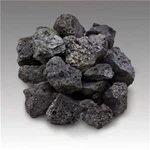


Bentonite
New Sail Ferro Alloys Co., Ltd. : Your Professional Bentonite Manufacturer!
Established in 1998, New Sail Metallurgy is located in Shenmu city, Shaanxi Province, with a factory covering an area of 95,000 square meters. As a professional manufacturer specialized in exporting metal silicon, ferrosilicon, silicon calcium alloy, ferromanganese, silicon manganese, cored wire, etc., the company has been committed to the development and application of metallurgical materials and refractory materials for many years, and has established many long-term partnerships around the world.
Rich Products
Our products include Silicon Metal, Ferro Silicon, Calcium Silicon, Ferro Chrome, Manganese Product, Ferro Chromium, Magnesium Ingot, Cored Wire, Silicon Carbon Alloy, Carburizer, Metallurgical Coke, Composite Deoxidizer, Inoculant, etc. With strictly quality control under ISO9001 Quality Management System Certification, our products' quality is guaranteed.
Strong Production Capability
Our company is engaged in metallurgical industry for many years, with a factory covering an area of 95,000 square meters. We are equipped with advanced equipment, such as one 36000KVA submerged arc furnace, 10 medium frequency furnaces, 2 crushing and screening powder production lines and a full set of modern production equipment.
Professional Team
The company has 158 employees and 18 middle and senior technical personnel. The company has also established close ties with domestic first-class metallurgical materials research institutes and universities.
Leading Service
We have many years of industry experience, a complete production management, quality supervision, and sales service operation system. Whether you want to purchase Silicon Metal or Ferro Chromium, just email your requirements and we can customize the product for you.
Related Products

Ferro silicon aluminium is a kind of strong deoxidizer used in the steel industry. The density of ferro silicon aluminum (4.5g/cm3) is higher than that of pure aluminum (2.7g/m3). It is easier to metalize molten steel and has a low burning loss rate. Using ferro silicon aluminum in steelmaking can more than double the utilization rate compared to using pure aluminum for deoxidation. The slag formed by deoxidizing ferro silicon aluminum has a low melting point and easily floats on the surface of molten steel, reducing the slag in the steel and improving the quality of the steel.
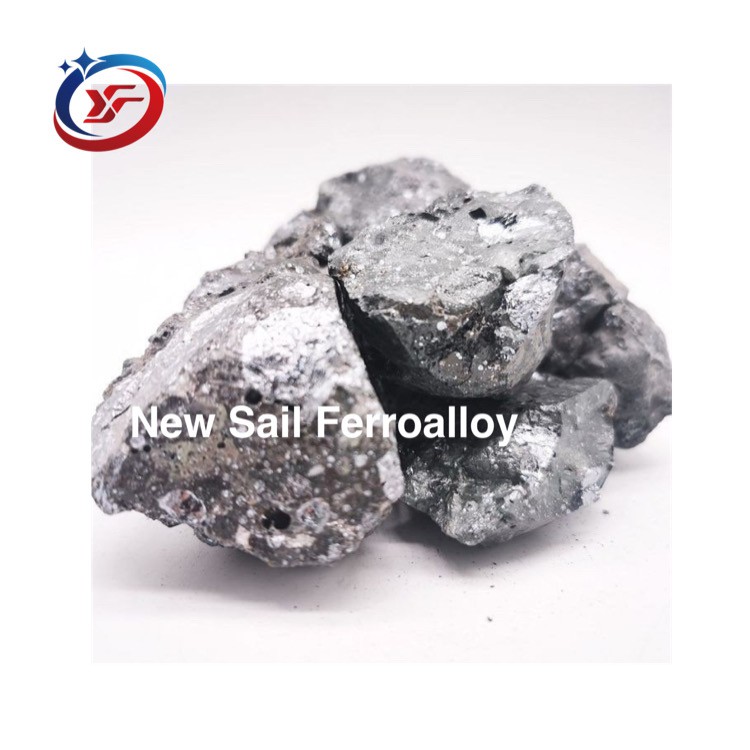
Medium Manganese Slag is a byproduct generated during the production of ferromanganese alloys, which are essential in the steelmaking industry. The composition of manganese slag can vary depending on the raw materials and the specific production process used. Two kinds of slag can be generated in the production of ferromanganese and ferromanganese–silicon alloys: air-cooled slag also known as lumpy slag, and water-cooled slag also known as granulated slag.
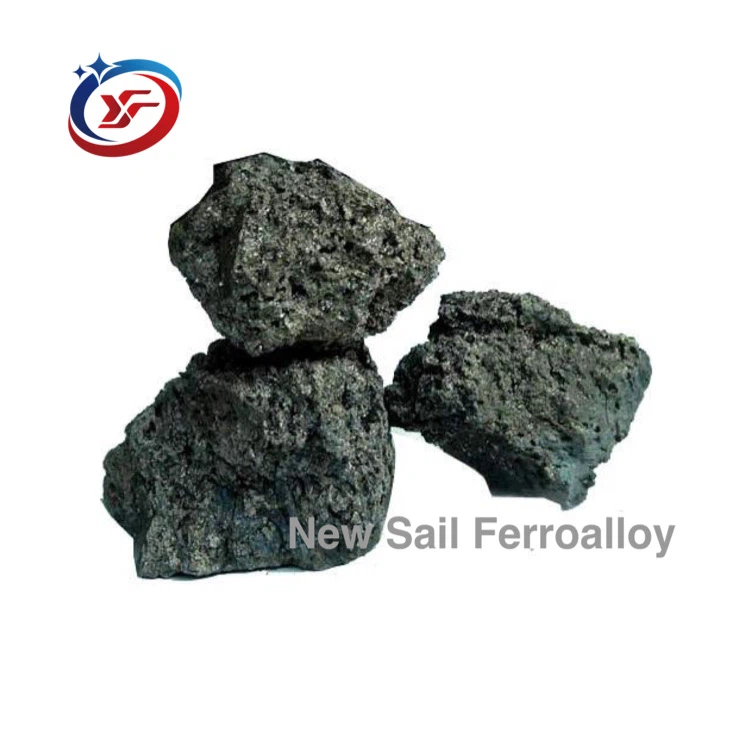
Ferrophosphorus is a ferroalloy, an alloy of iron and phosphorus. It contains high proportion of iron phosphides. The usual grades contain either 18 or 25% of phosphorus. It is a gray solid material with melting point between 1050-1100 °C. It may liberate phosphine in contact with water. Ferrophosphorus is used in metallurgy as a source of phosphorus for alloying, for deoxidizing the melt and for removal of unwanted compounds into slag. Ferrophosphorus is a byproduct of phosphorus production in submerged-arc furnaces from apatites, by their reduction with carbon. It is formed from the iron oxide impurities.
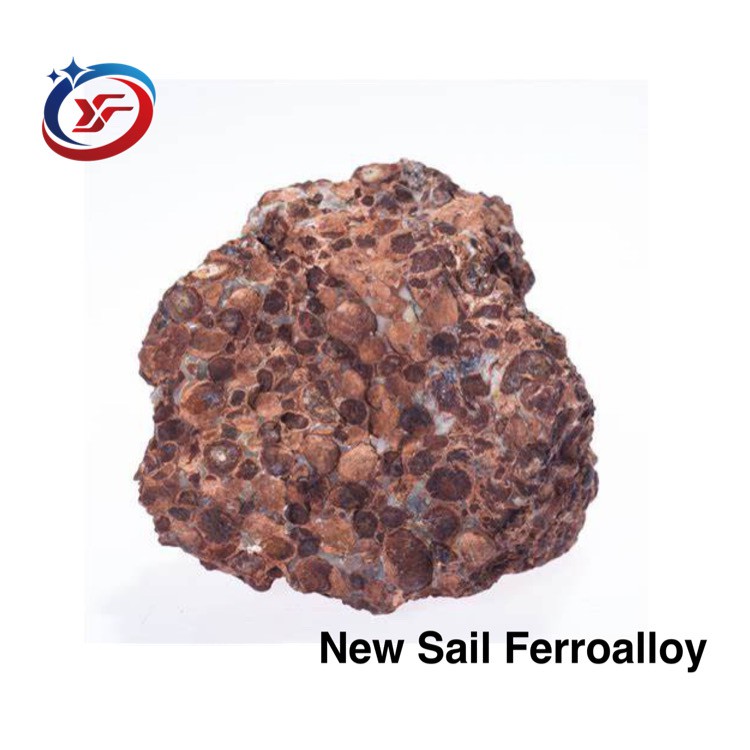
Bauxite is primarily a metallic mineral though it is also used as an industrial mineral. It is the only ore used for large-scale aluminium production. Although aluminium is the most abundant metallic element in the earth's crust constituting about 8%, it usually occurs in clays, soil and rocks that cannot be utilised for its extraction.

Silicon briquette is a material used in the industrial field. It is made from high-quality silicon raw materials and has unique properties. Silicon briquette is produced by sieving and pulverizing silicon slag, adding water and a binder, and pressing it into a silicon compact using a briquetting machine. It is often used in place of silicon iron in metallurgical operations.

Silicon slag, also known as silicon by-product or silicon residue, is a by-product derived from the process of silicon metal production. This material is generated during the refining of silicon metal and contains a mixture of silicon and other impurities. While often considered a waste product, silicon slag has found several valuable applications in various industries due to its unique properties.

Bentonite is a natural mineral that serves as a crucial component in soils and rocks. Thanks to its strong water absorption and expansion capabilities, as well as stable chemical properties, bentonite boasts exceptional physical, chemical, and mechanical qualities.

Magnetite powder is an important industrial raw material with many excellent characteristics and is widely used in electronics, aerospace, machinery, metallurgy, medicine and other fields.
What is Bentonite?
Bentonite is a natural mineral mostly composed of hydrous aluminum silicates. It's usually negatively charged. Therefore, it attracts cations, like Sodium, Calcium, Iron, and Magnesium. The two most common cations that attracted are sodium and calcium, making sodium and calcium bentonite the two predominant bentonite types on the planet. Although they are similar, the different cation provides them with other properties. While they both have absorbent properties, the materials they absorb are not the same.
Types of Bentonite
There are several types of bentonite, which differ in their mineral composition, physical properties, and industrial applications. Some of the most common types of bentonite include:
Sodium Bentonite
This type of bentonite is also known as Wyoming bentonite and is the most commonly used type in drilling applications. It has a high swelling capacity and forms a thixotropic gel when hydrated, which makes it an effective sealing material in construction applications.
Calcium Bentonite
This type of bentonite is also known as Southern bentonite and has a lower swelling capacity than sodium bentonite. It is often used in foundry applications, where it is mixed with sand to create molds for metal casting.
Polymer-Enhanced Bentonite
This type of bentonite has been treated with polymers to improve its properties, such as its ability to form a gel-like substance and its resistance to high temperatures. It is often used in drilling and construction applications.
Potassium Bentonite
This type of bentonite has a higher cation exchange capacity than sodium bentonite and is often used in agricultural applications as a soil amendment to improve soil fertility and water retention.
Activated Bentonite
This type of bentonite has been treated with acids or other chemicals to increase its surface area and cation exchange capacity. It is often used in industrial applications, such as water treatment and catalysis.
White Bentonite
This type of bentonite has a high aluminum content and is often used in cosmetic applications, such as facial masks and body powders, due to its ability to absorb impurities and excess oil from the skin.
Uses for Bentonite
Agriculture
Bentonite is used as a pelletizing aid in the production of animal feed pellets as well as a flowability aid for unconsolidated feed ingredients such as soy meal. It is also used to improve and condition crop soils. When thermally treated, it can be used as a porous ceramic carrier for various herbicides and pesticides.
Cat Litter
Bentonite is used for cat litter, due to its advantage of absorbing refuse by forming clumps that are easily removed, leaving the remaining product intact for further use.
Construction & Civil Engineering
Barite is also used in a wide variety of other applications including plastics, clutch pads, rubber mudflaps, mold release compounds, radiation shielding, television and computer monitors, sound-deadening material in automobiles, traffic cones, brake linings, paint, and golf balls.
Detergents
Laundry detergents and liquid hand cleansers/soaps rely on the inclusion of bentonite to remove impurities in solvents and to soften fabrics.
Drilling
Bentonite is also used as a mud constituent for oil and water well drilling. Its roles are mainly to seal the borehole walls, to remove drill cuttings, and to lubricate the cutting head.
Environmental Cleaning
Bentonite's adsorption/absorption properties are very useful for wastewater purification. It is used as part of a sealing material in the construction and rehabilitation of landfills to protect groundwater from the pollutants. It is also used to create materials that absorb and remove contaminants during spills or other environmental emergencies.
Metal Foundry
Bentonite is used as a binding agent in the production of iron ore pellets. It is also used as a bonding material in the preparation of moulding sand for the production of iron, steel, and non-ferrous casting. The unique properties of bentonite allow for the creation of very high-quality castings for metallic components including automobile engines.
Oils & Food Markets
Bentonite absorptive properties helps remove impurities in the processing of food-grade oils and fats. Bentonite helps improve clarity and visual appeal in drinks such as beer, wine, and mineral water, and in products like sugar or honey.
Pharmaceuticals & Cosmetics
Bentonite is used as filler in pharmaceuticals, and due to its absorption/adsorption functions, it allows for paste formation. Such applications include industrial protective creams, calamine lotion, wet compresses, and anti-irritants for eczema. In medicine, bentonite is used as an antidote in heavy metal poisoning. Personal care products, such as mud packs, sunburn paint, baby and face powders, and face creams, may all contain bentonite.
Paints, Dyes, & Polishes
Bentonite serves as a thickening and/or suspension agent in varnishes and in water solvent paints. Its adsorption properties are used for the finishing of indigo dying cloth and in dyes (lacquers for paints and wallpapers).
Paper
Bentonite is crucial to paper making, where it is used in the absorption of wood resins that obstruct the machines and to improve the efficiency of conversion of pulp into paper. It also helps improve the quality of the paper. Bentonite also offers useful de-inking properties for paper recycling. In addition, acid-activated bentonite is used as the active component in the manufacturing of carbonless copy paper.
Factors Influencing Bentonite Formation
The formation of bentonite is influenced by a number of factors, including the composition of the volcanic ash, the environment in which it is deposited, and the processes that occur during and after deposition. Some of the key factors that can affect the formation of bentonite include:
Volcanic Activity
The type and intensity of volcanic activity can affect the composition of the ash deposit, which in turn can influence the formation of bentonite. For example, ash from explosive eruptions is typically composed of smaller particles and can be more prone to weathering and alteration than ash from effusive eruptions.
Climate
The climate at the time of deposition can also play a role in bentonite formation, as it can affect the amount and type of water that percolates through the ash deposit. Wetter climates may result in more extensive alteration and the formation of more highly weathered clay minerals.
Time
The amount of time that the ash deposit is exposed to weathering and alteration can also influence the formation of bentonite. Longer periods of exposure can lead to more extensive alteration and the formation of larger, more well-developed clay minerals.
PH
The pH of the environment can also affect the formation of bentonite, as it can influence the solubility of minerals and the chemical reactions that occur during alteration. For example, more acidic environments may be more conducive to the formation of certain clay minerals.
Source Material
The composition of the source material, such as the type of rock that was erupted, can also affect the formation of bentonite. For example, volcanic ash deposits that contain more silicate minerals may be more prone to the formation of bentonite than those that contain more basic minerals.
Bentonite, with its unique properties, finds widespread use in various applications within the construction industry. Here are some of the key applications of bentonite:
Soil Stabilization
One of the primary applications of bentonite in construction is soil stabilization. When mixed with soil, bentonite improves its engineering properties and enhances its load-bearing capacity. The swelling and cohesive properties of bentonite help to bind loose particles together, reducing soil erosion and improving the stability of slopes and embankments. Bentonite can also be used to mitigate swelling and shrinkage problems associated with certain types of soils.
Foundation and Excavation
Bentonite is widely used in foundation engineering and excavation projects. It is used as a drilling fluid to support boreholes during drilling operations. The high viscosity of the bentonite slurry helps to stabilize the borehole walls, preventing collapse and promoting successful drilling. Additionally, bentonite acts as a lubricant, facilitating the extraction of soil and debris from the borehole during excavation.
Drilling Fluids
Bentonite is a key component in drilling fluids used in the construction of oil and gas wells, geothermal wells, and water wells. The rheological properties of bentonite-based drilling fluids assist in cooling and cleaning the drilling bit, controlling pressure, and suspending cuttings for their safe removal from the wellbore. Bentonite slurries are also used in horizontal drilling applications for their ability to control formation pressures and reduce the risk of blowouts.
Liners and Sealants
Bentonite is used as a liner and sealant in various construction projects that require containment and waterproofing. Bentonite liners are commonly used in landfills, ponds, and reservoirs to prevent the migration of contaminants and provide a barrier against water seepage. The swelling properties of bentonite when hydrated create an impermeable barrier that helps in the effective containment of fluids and gases.
Construction Waterproofing
Bentonite is an essential ingredient in waterproofing systems. It is used in the form of bentonite waterproofing membranes, which are applied to building foundations to prevent water intrusion. These membranes are highly effective in creating a continuous waterproof barrier that protects structures from moisture and acts as a safeguard against leaks and dampness.
Frequently Asked Questions
Hot Tags: bentonite, China bentonite manufacturers, suppliers, factory
Previous
Ferro PhosphorusYou Might Also Like


Send Inquiry