


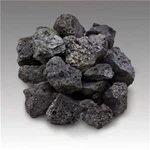


Ferro Phosphorus
New Sail Ferro Alloys Co., Ltd. : Your Professional Ferro Phosphorus Manufacturer!
Established in 1998, New Sail Metallurgy is located in Shenmu city, Shaanxi Province, with a factory covering an area of 95,000 square meters. As a professional manufacturer specialized in exporting metal silicon, ferrosilicon, silicon calcium alloy, ferromanganese, silicon manganese, cored wire, etc., the company has been committed to the development and application of metallurgical materials and refractory materials for many years, and has established many long-term partnerships around the world.
Rich Products
Our products include Silicon Metal, Ferro Silicon, Calcium Silicon, Ferro Chrome, Manganese Product, Ferro Chromium, Magnesium Ingot, Cored Wire, Silicon Carbon Alloy, Carburizer, Metallurgical Coke, Composite Deoxidizer, Inoculant, etc. With strictly quality control under ISO9001 Quality Management System Certification, our products' quality is guaranteed.
Strong Production Capability
Our company is engaged in metallurgical industry for many years, with a factory covering an area of 95,000 square meters. We are equipped with advanced equipment, such as one 36000KVA submerged arc furnace, 10 medium frequency furnaces, 2 crushing and screening powder production lines and a full set of modern production equipment.
Professional Team
The company has 158 employees and 18 middle and senior technical personnel. The company has also established close ties with domestic first-class metallurgical materials research institutes and universities.
Leading Service
We have many years of industry experience, a complete production management, quality supervision, and sales service operation system. Whether you want to purchase Silicon Metal or Ferro Chromium, just email your requirements and we can customize the product for you.
Related Products

Ferro silicon aluminium is a kind of strong deoxidizer used in the steel industry. The density of ferro silicon aluminum (4.5g/cm3) is higher than that of pure aluminum (2.7g/m3). It is easier to metalize molten steel and has a low burning loss rate. Using ferro silicon aluminum in steelmaking can more than double the utilization rate compared to using pure aluminum for deoxidation. The slag formed by deoxidizing ferro silicon aluminum has a low melting point and easily floats on the surface of molten steel, reducing the slag in the steel and improving the quality of the steel.

Bentonite is a natural mineral mostly composed of hydrous aluminum silicates. It's usually negatively charged. Therefore, it attracts cations, like Sodium, Calcium, Iron, and Magnesium. The two most common cations that attracted are sodium and calcium, making sodium and calcium bentonite the two predominant bentonite types on the planet. Although they are similar, the different cation provides them with other properties. While they both have absorbent properties, the materials they absorb are not the same.
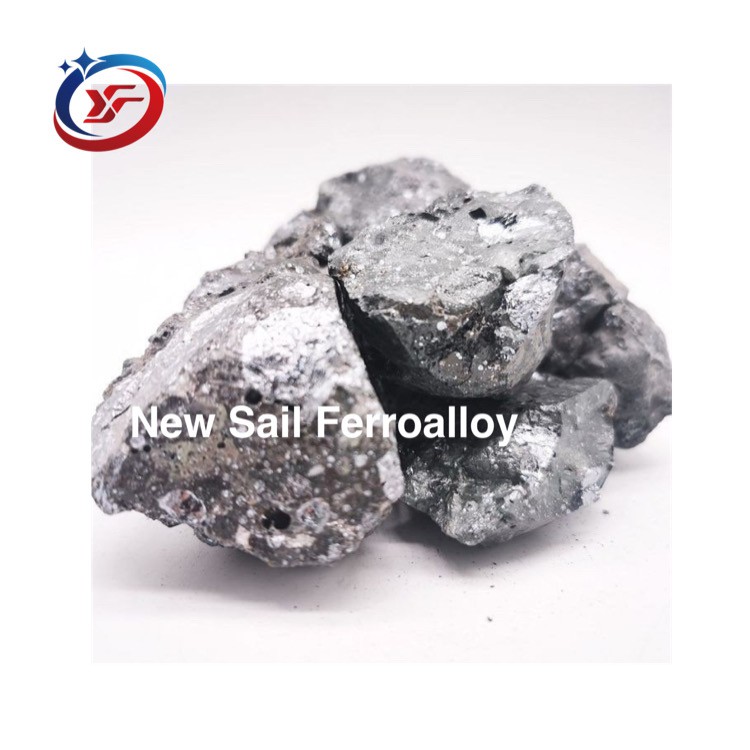
Medium Manganese Slag is a byproduct generated during the production of ferromanganese alloys, which are essential in the steelmaking industry. The composition of manganese slag can vary depending on the raw materials and the specific production process used. Two kinds of slag can be generated in the production of ferromanganese and ferromanganese–silicon alloys: air-cooled slag also known as lumpy slag, and water-cooled slag also known as granulated slag.
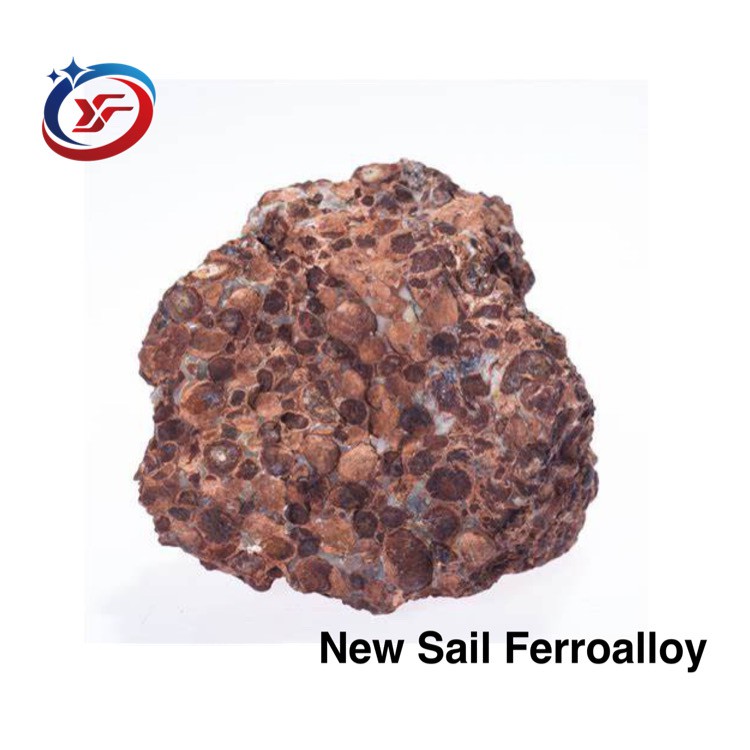
Bauxite is primarily a metallic mineral though it is also used as an industrial mineral. It is the only ore used for large-scale aluminium production. Although aluminium is the most abundant metallic element in the earth's crust constituting about 8%, it usually occurs in clays, soil and rocks that cannot be utilised for its extraction.

Silicon briquette is a material used in the industrial field. It is made from high-quality silicon raw materials and has unique properties. Silicon briquette is produced by sieving and pulverizing silicon slag, adding water and a binder, and pressing it into a silicon compact using a briquetting machine. It is often used in place of silicon iron in metallurgical operations.

Silicon slag, also known as silicon by-product or silicon residue, is a by-product derived from the process of silicon metal production. This material is generated during the refining of silicon metal and contains a mixture of silicon and other impurities. While often considered a waste product, silicon slag has found several valuable applications in various industries due to its unique properties.
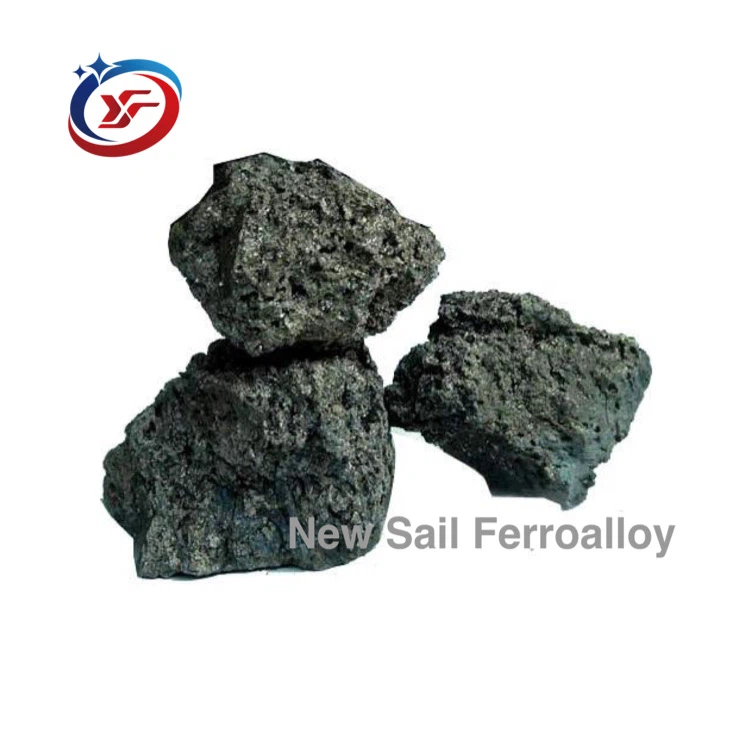
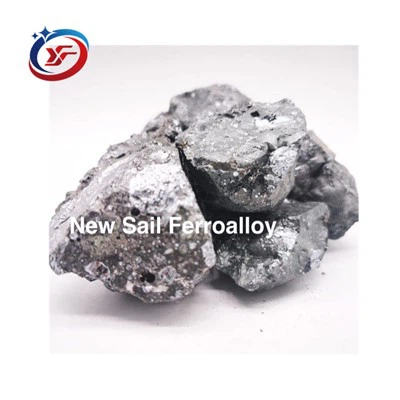
These are a few pieces I grabbed from the workshop. Take a closer look, and you'll see that they are black and red. Phosphorus iron is obtained from the phosphorus electric furnace.

Magnetite powder is an important industrial raw material with many excellent characteristics and is widely used in electronics, aerospace, machinery, metallurgy, medicine and other fields.
What is Ferro Phosphorus?
Ferrophosphorus is a ferroalloy, an alloy of iron and phosphorus. It contains high proportion of iron phosphides. The usual grades contain either 18 or 25% of phosphorus. It is a gray solid material with melting point between 1050-1100 °C. It may liberate phosphine in contact with water. Ferrophosphorus is used in metallurgy as a source of phosphorus for alloying, for deoxidizing the melt and for removal of unwanted compounds into slag. Ferrophosphorus is a byproduct of phosphorus production in submerged-arc furnaces from apatites, by their reduction with carbon. It is formed from the iron oxide impurities.
Advantages of Ferro Phosphorus
Increase Steel Production
Ferro phosphorus is a key alloying agent in steel production, adding hardness and strength to alloys. Its addition increases the corrosion and wear resistance of the steel, making it ideal for a variety of applications.
Deoxidizer
In the steelmaking process, ferro phosphorus is usually used as a deoxidizer, which can remove impurities such as oxygen and sulfur in molten metal. This produces high-quality steel with improved mechanical properties.
Alloying Elements of Ductile Iron
Ferro phosphorus is also used in the production of ductile iron to improve ductility and toughness. Ductile iron is commonly used in automotive components and heavy machinery.
Heat Stabilizers in Metal Alloys
Ferro phosphorus is used as a heat stabilizer in certain metal alloys, especially alloys used in high temperature applications. Can help prevent unwanted reactions and ensure material stability at elevated temperatures.
Reduce Brittle Fracture of Castings
Ferro phosphorus is added to some castings to reduce the risk of brittle fracture during cooling and solidification. This ensures that the casting maintains its integrity and avoids failure under stress.
Applications of Ferro Phosphorus
Ferrophosphorus is an alloy of iron and phosphorus, typically containing around 18-25% phosphorus by weight. It finds various applications across different industries due to its unique properties. Here are some common uses of ferrophosphorus:
Steel Production
One of the primary applications of ferrophosphorus is in steelmaking. It is used as an alloying agent to introduce phosphorus into steel alloys. Phosphorus helps improve the machinability, strength, and hardness of steel, particularly in low-alloy and carbon steels. It also enhances the fluidity of molten steel during casting processes.
Deoxidizer
Ferrophosphorus is also used as a deoxidizing agent in steel production processes. During steelmaking, oxygen and other impurities can react with molten steel, leading to the formation of undesirable oxides. Ferrophosphorus reacts with oxygen to form phosphorus oxide, which can be easily removed from the melt, thereby improving the cleanliness and quality of the steel.
Alloying Element
Phosphorus, when added to steel alloys, imparts specific properties or characteristics to the material. Ferrophosphorus is used in the production of specialty steels for applications such as automotive components, tools, and machinery parts. Phosphorus-containing steels exhibit improved wear resistance, corrosion resistance, and hardness.
Fertilizer Production
In agriculture, phosphorus is an essential nutrient required for plant growth and development. Ferrophosphorus can be used as a source of phosphorus in fertilizer formulations to address phosphorus deficiencies in soils and enhance crop yields.
Metal Treatment
Ferrophosphorus is sometimes used in metal treatment processes to modify the properties of other metals or alloys. It can be added to certain non-ferrous alloys to improve their mechanical properties or to facilitate casting and molding operations.
Characteristics of Ferro Phosphorus
Ferrophosphorus is an alloy composed primarily of iron and phosphorus, with small amounts of other elements such as carbon, silicon, and manganese. Its characteristics and uses include:
High Melting Point
Ferrophosphorus has a high melting point, making it suitable for use in high-temperature applications.
Phosphorus Content
Typically, ferrophosphorus contains around 15% to 25% phosphorus by weight, which imparts specific properties to the alloy.
Cost-Effective
Ferrophosphorus is often preferred in steelmaking due to its cost-effectiveness compared to other deoxidizing agents and alloying elements.
Controlled Addition
Its addition to steel and cast iron must be carefully controlled to avoid excessive phosphorus content, which can lead to brittleness and other undesirable properties in the final product.
Deoxidizing Agent
One of its primary uses is as a deoxidizing agent in the production of steel. During the steelmaking process, ferrophosphorus reacts with oxygen and other impurities, removing them from the molten metal.
Alloying Agent
Ferrophosphorus is also used as an alloying agent in the production of various types of steel and cast iron. It helps improve the strength, hardness, and corrosion resistance of these alloys.
Fertilizer Additive
Phosphorus is an essential nutrient for plant growth, and ferrophosphorus can be used as a source of phosphorus in fertilizers. However, its use in this context is less common compared to other phosphorus sources like phosphate rock or phosphoric acid.
Alloy Composition
The composition of ferrophosphorus can vary depending on its intended application. For example, in steelmaking, the phosphorus content is carefully controlled to achieve the desired properties in the final steel product.
Manufacturing Process of Ferro Phosphorus
Ferro phosphorus is an alloy of iron and phosphorus, typically containing 20-25% phosphorus. It's commonly used in the production of steel to introduce phosphorus as an alloying element, which improves the strength, hardness, and machinability of steel. Here's a basic outline of the process of making ferro phosphorus:
Raw Materials
The primary raw materials for making ferro phosphorus are iron ore, phosphorus, and coke (a form of carbon). These materials need to be of high purity to ensure the quality of the final product.
Smelting Furnace
The process usually begins in a smelting furnace, typically an electric arc furnace or a blast furnace. These furnaces provide the high temperatures needed to melt the raw materials and facilitate the chemical reactions required to produce ferro phosphorus.
Charge Preparation
The raw materials are carefully weighed and mixed according to the desired composition. The proportions of iron ore, phosphorus, and coke are critical for achieving the desired phosphorus content in the final alloy.
Smelting Process
The prepared charge is then fed into the smelting furnace. In the furnace, intense heat is applied, causing the materials to melt and undergo chemical reactions.
Refining
After the alloy forms, it may undergo refining processes to remove impurities and adjust the final composition. This can involve techniques such as slagging off impurities or adding additional alloying elements to achieve specific properties.
Casting
Once the desired composition is achieved, the molten ferro phosphorus is cast into molds to solidify. The solidified alloy is then typically crushed into smaller pieces or ground into a powder, depending on the intended application.
Quality Control
Throughout the process, quality control measures are implemented to ensure that the final product meets the required specifications for phosphorus content, chemical composition, and physical properties.
Packaging and Distribution
The finished ferro phosphorus is packaged according to customer requirements and then distributed for use in various applications, primarily in the steel industry.
Ferro Phosphorus is a ferroalloy composed primarily of iron and phosphorus, with trace amounts of other elements. It is commonly used as an additive in the casting industry for several purposes:
Deoxidization
Ferro Phosphorus is effective in removing oxygen from molten metal during the casting process. By deoxidizing the metal, it helps prevent the formation of oxides, which can lead to defects such as porosity in the final casting.
Enhanced Fluidity
The addition of Ferro Phosphorus to molten metal can improve its fluidity, allowing it to flow more easily into intricate molds and cavities. This can help achieve better detail and surface finish in castings.
Reduced Shrinkage
Ferro Phosphorus can act as a nucleating agent, promoting the formation of fine grain structures in the casting. This can help reduce shrinkage and improve the overall mechanical properties of the final product.
Alloying
In addition to its deoxidizing properties, Ferro Phosphorus can also act as an alloying element in certain casting applications. It can be used to adjust the composition of the metal, enhancing its properties or imparting specific characteristics to the finished casting.
Phosphorus Content Control
Ferro Phosphorus allows for precise control over the phosphorus content in the alloy. This is important in casting applications where specific phosphorus levels are required to meet performance or regulatory requirements.
Frequently Asked Questions
Hot Tags: ferro phosphorus, China ferro phosphorus manufacturers, suppliers, factory
Previous
Silicon CarbideNext
BentoniteYou Might Also Like


Send Inquiry